TURKANA UNIVERSITY COLLEGE TRAINS LOCAL FARMERS ON SMART AGRICULTURE
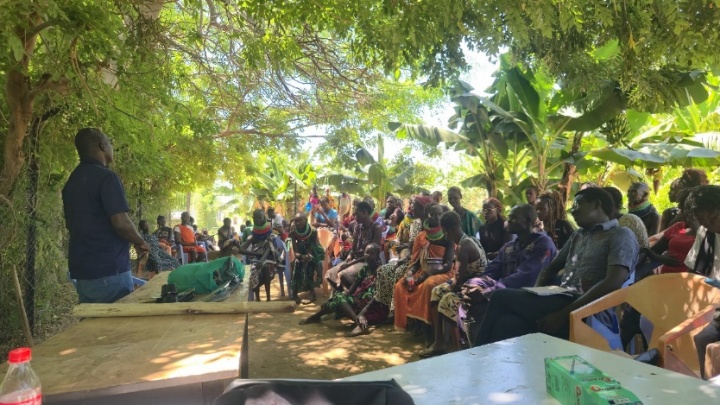
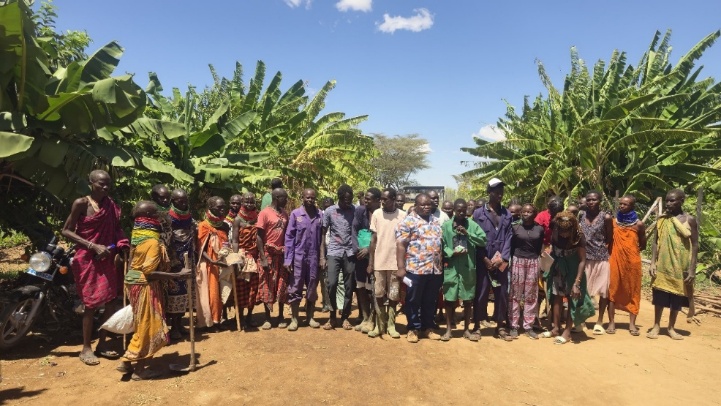
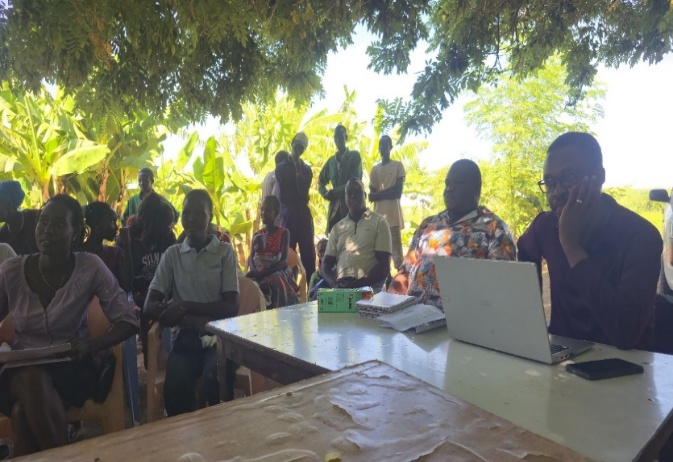
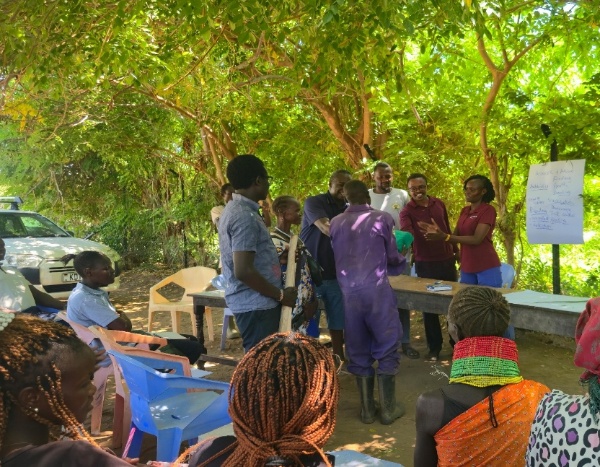
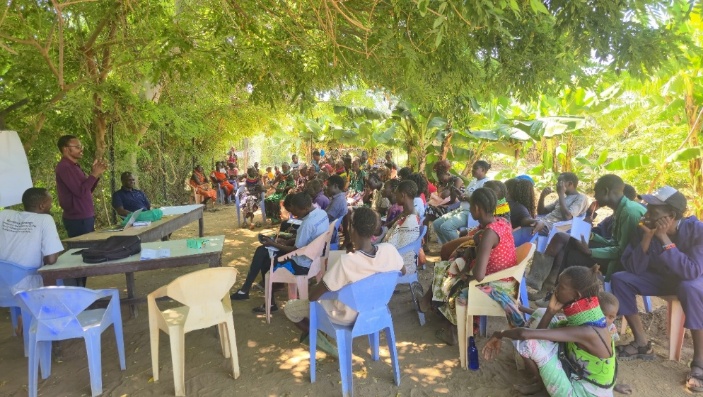
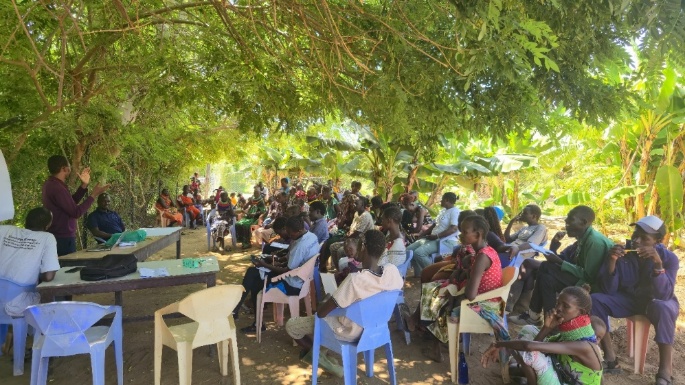
Turkana University College (TUC) completed FOUR (4) training sessions among the local farmers in Lodwar as part of its community outreach initiative. The training, held from 28th to 31st May 2026, in Natoot Farm, Turkana Central Sub-County, brought together over one hundred participants, including farmers, volunteers and agricultural experts for intensive sessions designed to build the capacity while strengthening the resilience and productivity of local farmers.
The trainings were organized by the Department of Biological and Physical Sciences, School of Science and Technology and focused on four (4) main thematic areas including:
- 1. Climate Smart Agriculture (CSA)
- 2. Water management and irrigation
- 3. Livestock management and pastoral skills and
- 4. Agribusiness and marketing skills
Throughout the trainings, participants were introduced to a wide range of climate-responsive practices, including land preparation, selection of drought resistant crops, crop diversification, smart planting techniques, water management, agroforestry, animal health and disease control, improved feeding and fodder management, breeding practices, agribusiness and marketing of farm produce. The topics were adopted to answer the unique challenges encountered by the farmers in the Arid and Semi-Arid Lands (ASALs) of Turkana County.
The trainers emphasized the role of the university in helping farmers move beyond basic agricultural practices. Farmers were enlightened on how to improve their farm output and food security in order to better their livelihoods amidst the harsh climatic conditions.
The training also emphasized the need to embrace agribusiness and marketing skills as a pathway to improved household incomes. The sessions introduced participants to best practices in planning and running the farm as a business and value addition. The participants were encouraged to plant at different times of the crop season in order to meet the market demand throughout the year. Other options suggested to them were selling dry vegetables and making puree.
Most of the participants also indicated owning livestock especially goats and sheep. One of the farmers told the TUC team that they did not know how to carry out planned breeding practices. The team took time to highlight the negative impact of practicing uncontrolled and random mating on the productivity of the flock and sustainability of the livestock industry. The farmers were taken through basic principles in selection and breeding of goats and sheep.
The farmers were happy and showed great enthusiasm to learn more. At the end of the training, farmers requested the University to organize more similar training and hands-on sessions so that they can keep improving both crop and livestock productivity.
Selected photos